EN
 ES
 PL
 TR

Cooking with tequila starts with understanding how the spirit adds bright, earthy, and peppery flavors to food. A small splash of tequila enhances dishes with acidity, heat, and sweetness, from marinated shrimp and glazed chicken to salsa, barbecue sauce, and caramel desserts. Blanco tequila suits fresh marinades and citrus-based dishes, while reposado adds richer oak notes to sauces and glazes. Lime, honey, garlic, and chili complement tequila’s agave character and help balance sharp or sweet flavors. Adding tequila early in cooking gives its alcohol time to evaporate, while adding a small amount near the end preserves more of its distinctive aroma. Measure carefully to prevent the spirit from overpowering delicate ingredients, and simmer sauces gently for a smoother finish.
The main steps are choosing a 100% agave tequila, picking a suitable dish, balancing flavors, using a small splash, marinating briefly, adding the tequila at the right stage, simmering, tasting, and finishing fresh. Seafood, chicken, pork, salsa, sauces, and light desserts suit tequila best. Serving the dish warm or chilled, finished with lime, cilantro, and plain sides (rice, grilled corn, and warm tortillas), keeps the flavors clear. A light cocktail (classic paloma, ranch water, or margarita) or sparkling water matches the dish.
1. Choose the Right Tequila
Choosing the right tequila means picking a 100% agave blanco for fresh, bright dishes or a reposado for richer sauces and glazes, keeping añejo for sipping. The label “100% agave” (blue Weber agave) signals no added sugars, whereas mixto tequila (a minimum of 51% agave sugars) carries sweet, harsh notes that intensify during simmering. Blanco tequila (unaged or aged for under 2 months) shows peppery, citrusy, and vegetal flavors that pair well with seafood, salsa, and citrus marinades. Reposado tequila (aged 2 to 12 months in oak) adds vanilla, light caramel, and gentle spice that suit creamy sauces, barbecue glazes, and pork. Añejo tequila (aged 1 to 3 years) offers butterscotch, dried fruit, and toasted oak notes that fade under heat, so the bottle belongs in a glass, not a pan. A mid-range 100% agave bottle delivers clean flavor without the premium price. One blanco bottle covers marinades, salsas, and sauces, whereas a reposado bottle adds depth in glazes.
2. Pick a Dish That Suits Tequila
Picking a dish that suits tequila means matching the spirit to seafood, chicken, pork, salsa, sauces, or light desserts where lime, chili, and sweet fruit balance the flavor. Shrimp, snapper, mahi-mahi, and scallops suit blanco since the bright agave notes echo the lime. Chicken thighs, pork carnitas, and pork chops suit reposado glazes, since the oak notes match the char. Pineapple salsa, mango salsa, chipotle cream sauce, and barbecue sauce use tequila to link acid, heat, and sweetness. Light desserts (grilled pineapple, caramel sauce, lime sorbet, flan) carry a small splash without turning boozy. Delicate dishes (mild steamed vegetables, plain custard, and light broths) lose to the agave edge, so the dishes need restraint. Fat, acid, chili, and sweetness give the spirit something to balance, so dishes containing 2 or more of the elements suit tequila best.
3. Balance Tequila With Lime and Sweetness
Balancing tequila alongside lime, honey, or fruit keeps the flavor rounded, not sharp. Lime juice (1 tablespoon to 2 tablespoons per 4 servings) adds acidity that lifts the agave notes, whereas the zest adds fragrant oils. Honey, agave nectar, and brown sugar (1 teaspoon to 1 tablespoon) soften the vegetal bite of the spirit. Fruit (pineapple, mango, orange, and peach) provides both sweetness and acidity in a single ingredient, so glazes and salsas need little extra sugar. A pinch of salt sharpens the citrus and tames bitterness. A balanced marinade follows a ratio near 1 part tequila, 1 part lime juice, 1 part sweetener, plus oil, garlic, chili. Tasting before heat, after heat confirms the balance, since cooking concentrates acid and sugar. Overly sweet sauces taste candied, whereas overly sour sauces taste sharp, so small adjustments of 1 teaspoon work best.
4. Keep the Tequila to a Small Splash
Keeping the tequila to a small splash means using a small amount so the dish tastes of agave and citrus, not raw spirit. A splash measures 1 tablespoon to 2 tablespoons (0.5 oz to 1 oz) in a sauce serving 4, and 2 tablespoons to 4 tablespoons in a marinade for 1 lb to 1.5 lb of protein. Tequila bottled at 40% alcohol by volume delivers a strong, solvent-like punch, so larger pours dominate delicate seafood, cream, and fruit. Excess tequila leaves a medicinal, bitter edge that sugar and lime fail to hide. A measuring spoon keeps the pour consistent, since free pouring from the bottle overshoots quickly. Adding a second splash later is easy, whereas removing tequila is impossible. Spirit-heavy dishes taste hot, bitter, and thin. Balanced dishes taste of lime, chili, and agave first, and tequila second. Dishes served to children or guests who avoid alcohol need a substitute (lime juice, orange juice, or agave nectar), since alcohol remains after cooking.
5. Marinate Briefly
Marinating briefly means giving proteins a short soak in lime, garlic, tequila, especially seafood, so the texture stays tender. Acid and alcohol, and firm proteins, so long soaks turn shrimp and fish rubbery and mushy. Shrimp need 15 to 30 minutes, fish fillets 15 to 20 minutes, and scallops 15 minutes. Chicken tolerates 30 minutes to 2 hours, and pork chops 1 to 4 hours, since thicker, denser meat absorbs flavor slowly. Raw food stays in the refrigerator at 40°F or below during the soak, never on the counter. Marinade that touched raw meat needs to be boiled for 5 minutes before becoming a sauce, or a fresh portion is set aside before marinating. Patting the protein dry after marinating improves browning. Timing details for shrimp and chicken appear in the seafood and chicken section below.
6. Add the Tequila at the Right Time
Adding the tequila at the right time means choosing the stage (marinade, pan deglazing, or sauce) that suits the dish. A marinade receives tequila at the start, since time allows the alcohol to carry garlic, chili, lime flavors into the protein. Deglazing follows searing, where 1 tablespoon to 2 tablespoons of tequila lifts browned bits (fond) from the pan in 30 seconds to 1 minute. A sauce receives tequila before the cream, tomatoes, or stock, since 3 to 5 minutes of simmering softens the alcohol. A glaze receives tequila early, then reduces to a syrupy texture. Safety matters, since 40% alcohol vapor ignites near an open flame, so the pan leaves the burner before the tequila goes in, mainly on gas stoves. A tiny raw splash at the end adds aroma but a sharper bite, so the technique suits salsas and dressings.
Meet Our Maestra Tequilera
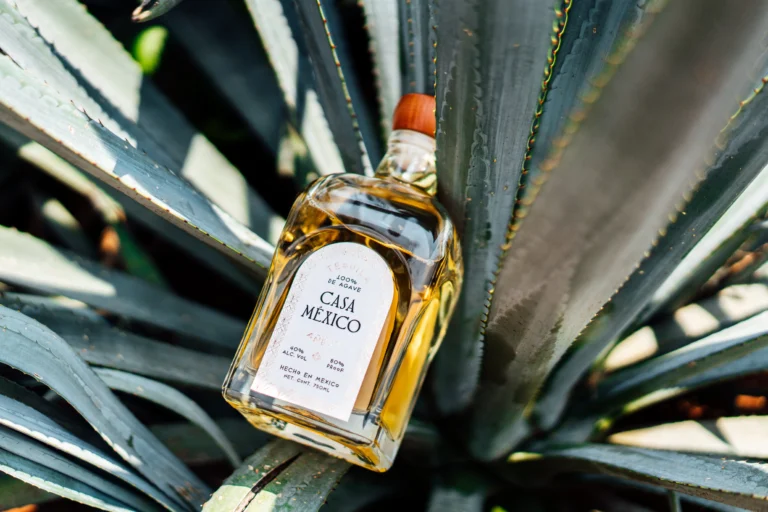
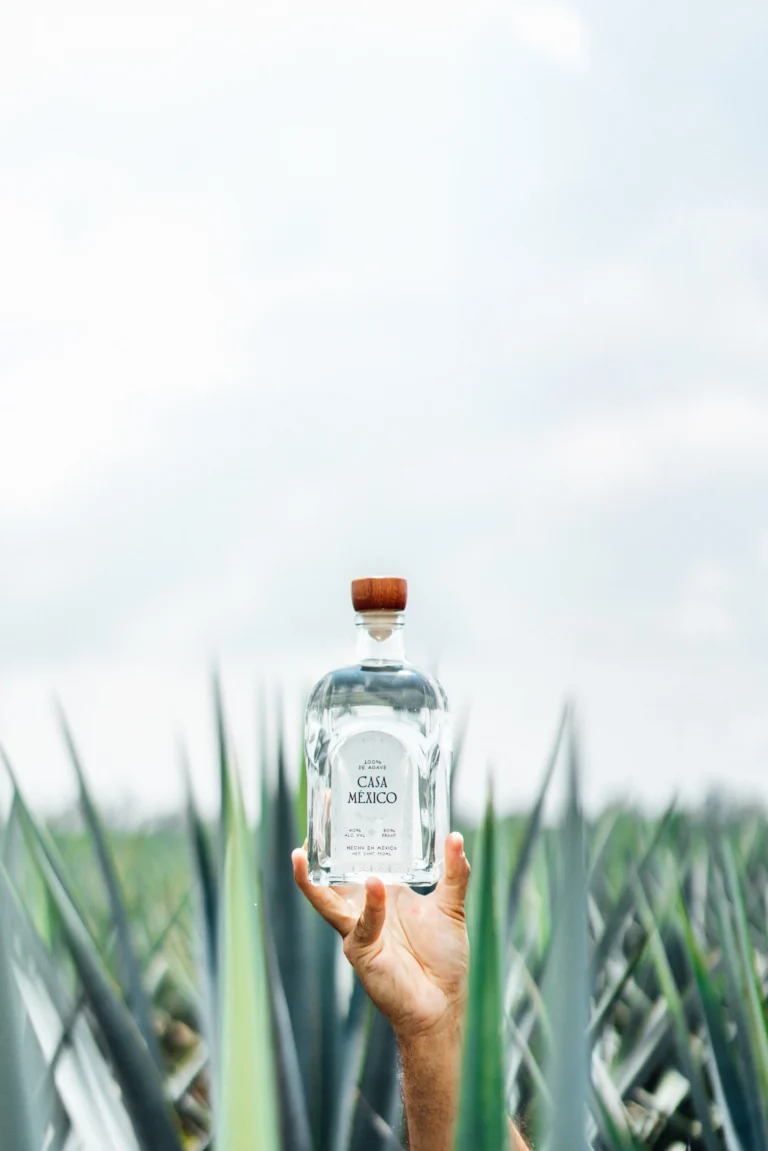
Casa México Tequila is crafted under the guidance of world-renowned Maestra Tequilera Ana María Romero Mena. With decades of experience creating acclaimed tequilas and mentoring future generations of distillers, she brings both deep tradition and thoughtful innovation to the brand. From agave selection to distillation and aging, her expertise ensures every expression reflects authenticity, precision and exceptional quality.

7. Simmer to Soften the Flavor
Simmering to soften the flavor means letting the dish cook briefly so the sharp edge fades and agave notes show. Heat evaporates part of the alcohol, whereas sugars in the agave caramelize, adding a mellow sweetness. A glaze needs 3 to 5 minutes, a pan sauce 5 to 10 minutes, and a barbecue sauce 15 to 30 minutes. A low simmer works better than a hard boil, since gentle heat protects aroma and prevents scorched sugar. Alcohol does not vanish fully, since USDA data show 40% remains after 15 minutes of simmering, 25% after 1 hour, and 5% after 2.5 hours. Dishes served to children or guests avoiding alcohol need a tequila-free version. Stirring keeps the sauce even. Reduction thickens the sauce, concentrating flavor, so seasoning waits until the end.
8. Taste and Adjust
Tasting and adjusting means checking the balance of acid, salt, and sweetness before serving. A clean spoon and a cooled sample give an accurate reading, since hot food masks flavor. Sharp, thin flavor calls for 1 teaspoon of honey or agave nectar. Flat, dull flavor calls for a pinch of salt or 1 teaspoon of lime juice. Heavy, sweet flavor calls for extra acid (lime, vinegar). Harsh, alcoholic flavor calls for 2 extra minutes of simmering. Heat from chili (jalapeño, serrano, chipotle) adjusts last, since heat builds during resting. Adjusting in small steps prevents overcorrection. Tasting again after each change confirms the improvement, so 2 to 3 rounds finish a sauce.
9. Finish With Fresh Lime and Herbs
Finishing with fresh lime and herbs means adding lime, cilantro, and chili at the end for a fresh, bright finish. Heat dulls citrus aroma and herb color, so the final additions go in off the burner. Lime juice (1 teaspoon to 1 tablespoon) revives acidity, whereas lime zest adds fragrant oils. Cilantro (1 tablespoon chopped per serving) adds a green, citrusy note that pairs well with agave. Sliced serrano or jalapeño adds fresh heat, whereas chili flakes add dry heat. Flaky salt and a drizzle of olive oil add texture. Alternatives (mint, parsley, and basil) suit fruit-based dishes. Serving within 5 minutes keeps the herbs vivid. Fresh finishes restore the brightness that cooking and the spirit soften.
10. Serve With a Fitting Drink
Serving a fitting drink means pairing the dish with a light cocktail or a fresh sparkling that echoes the flavors. A classic paloma (blanco tequila, lime, and grapefruit soda) suits grilled seafood and chicken, since grapefruit bitterness cuts the richness. Ranch water (2 oz blanco tequila, lime, and sparkling mineral water) suits ceviche, salsa, and light dishes. A margarita suits pork and barbecue dishes since lime and salt balance the char. Reposado served neat or over-ice-suit glazed dishes and richer sauces. Non-alcoholic options (sparkling water, lime, mint, grapefruit soda, agua fresca) suit guests who avoid alcohol. Serving the drink lightly chilled in a clean glass keeps the flavors clear. Matching the tequila in the dish to the tequila in the glass ties the whole meal together.
Tequila Flavor and Cooking Basics
What Does Tequila Add to Food?
Tequila adds a bright, earthy agave flavor and citrus and pepper notes to food, working well alongside lime, chili, garlic, and sweet fruit. Cooked agave gives the spirit a roasted, mildly sweet base, whereas distillation adds peppery, citrusy, vegetal aromas. Alcohol carries flavor compounds, so tequila extracts aroma from garlic, chili (capsaicin dissolves in alcohol), and herbs inside a marinade. Lime acidity lifts the agave notes, chili heat echoes the pepper, garlic adds savory depth, and sweet fruit (pineapple, mango, or orange) rounds the edge. Blanco tequila (unaged) contributes fresh, citrus notes, whereas reposado (aged 2 to 12 months) contributes vanilla and light oak. A small splash (1-2 tablespoons per 4 servings) sharpens flavor without a boozy taste. Seafood, chicken, pork, salsa, and desserts gain brightness and depth from the spirit.
How Does Cooking Change the Flavor of Tequila?
Cooking changes the flavor of tequila by softening the sharp edge, leaving agave sweetness and citrus notes, whereas a longer simmer gives a mellower taste. Heat evaporates part of the alcohol, so the burning sting fades. Agave sugars caramelize, adding a gentle, honey-like sweetness. A short simmer of 3 to 5 minutes keeps bright citrus and pepper notes, whereas a simmer of 15 to 30 minutes produces a rounded, deeper flavor. Reposado retains light vanilla and oak notes during cooking, whereas blanco loses some of its fresh, peppery aroma. Gentle heat protects flavor better than a hard boil.
Can Tequila Flavor a Dish Without Tasting Harsh?
Yes, tequila flavors a dish without tasting harsh when the amount stays small, heat softens the spirit, and acid and sweetness balance the flavor. A splash of 1 tablespoon to 2 tablespoons per 4 servings delivers agave and citrus notes without a raw bite. Simmering for 3 to 5 minutes fade the sharp edge. A 100% agave tequila avoids the sugary, harsh notes of mixto bottles. Lime juice, honey, and fruit round the finish, so the dish tastes balanced, not boozy.
Tequila Recipes and Dish Ideas
What Can You Make With Tequila Besides Cocktails?
Tequila works well in savory dishes and desserts, adding bright agave notes, subtle pepperiness, and depth beyond traditional cocktails. Marinated shrimp, glazed salmon, barbecue sauce, salsa, ceviche, creamy pasta sauces, and citrus dressings benefit from small amounts of tequila paired with ingredients like lime, garlic, honey, and chili. For desserts, tequila complements caramel sauce, lime curd, and grilled pineapple, while careful measurement and gentle cooking help maintain balanced flavors.
The dishes you make besides cocktails using tequila are listed below.
- Marinated shrimp and chicken: Tequila, lime, and garlic form a quick marinade. Shrimp and chicken thighs absorb the bright flavor. Grilling adds smoky char.
- Glazed salmon: Tequila, honey, and lime form a sticky glaze. The glaze caramelizes under the broiler. Salmon richness balances the acidity.
- Barbecue sauce: A splash of reposado adds depth to smoky, sweet sauce. Simmering softens the spirit. The sauce suits ribs, pulled pork, and grilled chicken.
- Salsa: A few drops lift pineapple, mango, and tomato salsas. Lime and cilantro keep the flavor fresh. Raw tequila needs a very small amount.
- Ceviche: A splash of lime juice that cures fish and shrimp. The spirit adds a clean, peppery edge. Short curing keeps the texture tender.
- Creamy pasta sauce: Tequila deglazes the pan before cream and tomato arrive. Chipotle shrimp suit the sauce. Simmering mellows the spirit.
- Dressings: Lime, olive oil, and tequila form a bright vinaigrette. Honey rounds the edge. The dressing suits slaw, grilled vegetables, and seafood salads.
- Desserts: Tequila lifts caramel sauce, lime curd, and grilled pineapple. Sugar softens the spirit. Small amounts keep the dessert balanced.
How Can You Choose a Tequila Recipe for a Weeknight Dinner?
Choosing a tequila recipe for a weeknight dinner starts with quick cooking ingredients, simple sauces, and a manageable preparation time. Shrimp, chicken cutlets, fish, and vegetables pair well with tequila, lime, garlic, and a touch of honey or fruit juice to balance the flavors. Check cooking times, verify poultry reaches 165°F, and serve the finished dish with rice, tortillas, or slaw for a complete meal.
You can choose a tequila recipe for a weeknight dinner by following the five steps below.
- Choose a protein or a vegetable. Shrimp, chicken cutlets, and fish fillets cook quickly. Corn, peppers, and zucchini suit fast grilling.
- Pick a quick marinade or sauce. Lime, garlic, and tequila need no cooking before use. A pan sauce builds in the same skillet.
- Balance the tequila with lime and something sweet. Honey, orange juice, and pineapple round out the spirit. A small splash keeps the dish bright.
- Check cooking time. Shrimp need 2 to 3 minutes per side, chicken cutlets need 4 to 6 minutes per side. A meat thermometer confirms 165°F for poultry.
- Serve with simple sides. Rice, tortillas, and slaw complete the plate. Lime wedges finish the dish.
Do Tequila Recipes Need a Special Bottle?
No, tequila recipes do not need a special bottle. A mid-range blanco or reposado labeled 100% agave delivers a clean flavor, since the label signals no added sugars. Añejo and extra añejo bottles (aged 1 to 3 years or longer) are best for sipping, since cooking dulls the oaky butterscotch notes. Mix-to tequila (at least 51% agave sugars) tastes sweeter and harsher after being simmered. A small splash per dish means one bottle covers many recipes, keeping costs low.
Types of Tequila for Cooking
What Type of Tequila Works Best for Cooking?
Blanco tequila works best in fresh, bright dishes, whereas reposado suits richer sauces and glazes, since 100% agave tequila gives the cleanest flavor. Blanco (unaged or aged for under 2 months) shows peppery, citrusy, and vegetal agave notes that pair well with ceviche, shrimp, salsa, and dressings. Reposado (aged 2 to 12 months in oak) adds vanilla, light caramel, and a gentle spice that suits barbecue sauce, pineapple glaze, creamy sauces, and pork. Añejo (aged 1 to 3 years) offers complex oak and dried fruit notes that heat dulls, so the bottle suits sipping. The label “100% agave” (blue Weber agave) indicates no added sugars, whereas mixto tequila (at least 51% agave sugars) tastes sweeter and harsher after simmering. A 40% alcohol by volume bottling suits most recipes, so strength rarely drives the choice. Blanco and reposado bottles cover almost every dish, since the two styles complement fresh, rich cooking.
How Do Blanco and Reposado Tequila Differ in Dishes?
Blanco and reposado tequila differ in dishes in terms of their aging, flavor profiles, and compatibility with specific ingredients. Blanco tequila provides fresh agave and citrus notes that complement seafood, salsa, ceviche, and dressings, while reposado adds oak and vanilla warmth to glazes, barbecue sauces, and creamy dishes. Añejo tequila offers deeper butterscotch and dried-fruit notes from longer aging, making it more suitable for sipping than for cooking, where its subtle flavors and higher cost offer less benefit.
The ways blanco and reposado tequila differ in dishes are listed below.
- Blanco: Blanco tequila gives bright agave and citrus notes. The fresh profile suits seafood, salsa, ceviche, and dressings. Lime, cilantro, and chili highlight the peppery edge.
- Reposado: Reposado tequila adds light oak and vanilla warmth. The rounder profile suits glazes, barbecue sauce, and creamy sauces. Caramelized sugar, smoke, and cream match the oak notes.
- Añejo: Añejo tequila is better kept for sipping. Long oak aging (1 to 3 years) creates complex notes of butterscotch and dried fruit. Cooking dulls the nuance, so the price brings little benefit in a pan.
Can You Sip Tequila From the Bottle You Cook With?
Yes, you can sip tequila from the bottle you cook with, provided the label reads 100% agave. A 100% agave blanco or reposado tastes clean and balanced, so a small pour, served neat, chilled, or over ice, showcases the same agave and citrus notes found in the dish. Mixto bottles taste sweeter and harsher, so the bottles suit cooking better than sipping. Matching the sipped tequila to the cooked tequila ties the meal together, as explained in the guide on how to sip tequila.
Cooking Seafood and Chicken With Tequila
How Can You Cook Shrimp and Chicken With Tequila?
Cooking shrimp and chicken with tequila adds bright agave flavor, citrus notes, and depth to quick weeknight meals. Marinate the protein briefly with tequila, lime, and garlic, then pat it dry before searing or grilling over medium-high heat until properly cooked. Deglaze the pan with a small splash of tequila away from open flames, then finish with fresh lime juice and cilantro for a balanced, juicy dish.
You cook shrimp and chicken using tequila by following the five steps listed below.
- Marinate briefly using lime, garlic, and tequila. Acid and alcohol flavor the protein quickly. A short soak keeps shrimp and chicken tender.
- Pat the food dry. Dry surfaces brown better than wet ones. Paper towels remove extra marinade.
- Sear or grill over medium-high heat. Strong heat builds a golden crust. Shrimp turns pink, and chicken cooks through without drying.
- Add a small splash of tequila to deglaze. Remove the pan from the burner first, since tequila ignites near a flame. Browned bits dissolve into a quick pan sauce.
- Finish with lime and fresh herbs. Lime juice and cilantro restore brightness. Serving immediately keeps the texture juicy.
What Sauces and Marinades Use Tequila?
Tequila adds agave flavor and depth to sauces and marinades, pairing well with citrus, herbs, fruit, and smoky ingredients. Lime and garlic marinades suit shrimp, chicken, and fish, while reposado barbecue sauce, creamy chipotle sauce, and pineapple glaze complement grilled meats and seafood. Tequila vinaigrettes brighten salads, while reposado caramel sauce adds warm vanilla notes to flan, grilled pineapple, and ice cream.
The sauces and marinades that use tequila are listed below.
- Lime, garlic marinade: Lime juice, garlic, tequila, and olive oil form the base. The mixture suits shrimp, chicken, and fish. A short soak keeps the texture tender.
- Barbecue sauce: Reposado adds oak and vanilla depth. Tomato, brown sugar, and smoke balance the spirit. Simmering softens the alcohol.
- Cream sauce: Tequila deglazes the pan before cream arrives. Chipotle, garlic, and shrimp suit the sauce. Simmering mellows the flavor.
- Pineapple glaze: Pineapple juice, honey, and tequila are reduced to a syrup. The glaze coats chicken, pork, and salmon. Caramelization adds sticky sweetness.
- Vinaigrette: Lime juice, olive oil, tequila, and honey are blended into a bright dressing. The dressing suits slaw and seafood salads. Raw tequila needs a very small amount.
- Caramel sauce: Sugar, butter, and cream cook into caramel before a splash of reposado joins. The spirit adds vanilla depth. The sauce suits flan, grilled pineapple, and ice cream.
Should You Marinate Seafood in Tequila for Long?
No, you should not marinate seafood in tequila for long, since acid and alcohol firm the proteins within 15 to 30 minutes. Shrimp and scallops need 15 to 30 minutes, fish fillets 15 to 20 minutes. Longer soaks turn the texture rubbery and mushy, similar to overcured ceviche. Refrigeration at 40°F or below keeps the seafood safe during the soak. Patting the seafood dry before cooking improves browning.
Tequila Dinner and Drink Pairings
What Dishes Suit a Tequila Dinner?
A tequila dinner suits a menu that starts with ceviche or salsa, moves to grilled seafood or carne asada, and finishes with a light citrus or caramel dessert. Ceviche (lime-cured fish and shrimp) opens the meal, since acidity and freshness wake the palate. Pineapple salsa, mango salsa, and guacamole served alongside warm tortilla chips extend the first course. Grilled seafood (shrimp skewers, snapper, and mahi-mahi) suits blanco, whereas carne asada, glazed pork, and barbecue chicken suit reposado. Rice, grilled corn, black beans, and slaw round out the main course. Light desserts (lime sorbet, caramel flan, grilled pineapple, citrus tart) close the meal without heaviness. A small splash of tequila in 2 or 3 courses keeps the theme without overwhelming guests. The progression from fresh, bright dishes to richer ones mirrors the shift from blanco to reposado.
How Do You Plan a Tequila Dinner Menu for Guests?
Planning a tequila dinner menu for guests starts with a manageable selection of dishes, balanced flavors, and preparation scheduled in advance. Choose a starter, main course, side, and dessert, using small amounts of tequila in marinades, sauces, and glazes to complement the food. Offer one tequila cocktail, a nonalcoholic drink, and plenty of water, and prepare sauces in advance to make hosting easier and encourage responsible drinking.
You plan a tequila dinner menu for guests by following the five steps listed below.
- Pick three or four dishes. A starter, a main course, a side, and a dessert cover the meal. A short menu keeps cooking manageable.
- Keep the tequila light in each dish. A small splash per recipe preserves balance. Lime, honey, and chili round the flavor.
- Plan one cocktail and one nonalcoholic drink. A classic palm, ranch water suits the food. Sparkling water, agua fresca, serves guests who avoid alcohol.
- Prep sauces ahead. Marinades, salsas, and glazes hold well in the refrigerator for 1 to 3 days. Advance work frees time for grilling.
- Serve with water. Water paces the evening and cleans the palate. Food and water support responsible hosting.
Can You Host a Tequila Tasting Dinner With Tequila Dishes?
Yes, you can host a tequila tasting dinner using tequila dishes by matching each course to a style of tequila. A blanco pour (0.5 oz to 1 oz) suits ceviche and grilled shrimp, whereas a reposado pour suits glazed pork and barbecue sauce. Small tasting glasses (copitas), water, and plain crackers cleanse the palate between courses. Tasting notes (aroma, sweetness, spice, and finish) keep guests engaged. Total pours of about 3 oz per guest keep the pace safe. Glassware, tasting order, and preparation steps are explained in the guide on how to host a tequila tasting.
Do Tequila Dishes Pair Well With a Classic Paloma?
Yes, tequila dishes pair well alongside a classic paloma, since grapefruit soda, lime, and blanco tequila echo the citrus and agave notes in the food. Grapefruit bitterness cuts the richness of grilled chicken, pork, and shrimp, whereas carbonation refreshes the palate after smoky, spicy bites. A salt rim matches seasoned meats and ceviche. The paloma recipe (2 oz blanco tequila, 0.5 oz lime juice, 3 oz to 4 oz grapefruit soda) takes 2 minutes, so serving stays simple. Ingredients and steps appear in the classic paloma.
Serving Tequila Dishes
How Should You Serve Dishes Made With Tequila?
You serve dishes made using tequila best warm or chilled, depending on the recipe, finished with fresh lime and herbs, and plated alongside simple sides that let the flavors show. Grilled seafood, chicken, and pork pan sauces taste best warm, since heat releases aroma and keeps the sauce glossy. Ceviche, salsa, dressings, and desserts like lime sorbet taste best chilled, since cold keeps the flavor bright and crisp. Fresh lime (1 teaspoon to 1 tablespoon), cilantro, and sliced chili added at the end restore the brightness that cooking softens. Simple sides (rice, grilled corn, slaw, avocado, and warm tortillas) absorb sauce, add texture without competing. Plain white plates and small garnishes keep the focus on color and aroma. Guests who avoid alcohol deserve a clear label, since a small amount of alcohol remains after cooking, with 5% left after 2.5 hours of simmering. Offering water or another nonalcoholic drink alongside the meal completes the service.
What Sides and Garnishes Go With Tequila Dishes?
Tequila dishes pair well with sides and garnishes that add freshness, texture, and balance to citrus, smoky, or spicy flavors. Cilantro lime rice, grilled corn, fresh slaw, avocado, and warm tortillas complement tequila-based shrimp, chicken, fish, and pork dishes. Lime wedges and fresh cilantro provide bright aromas and extra acidity, helping balance rich sauces and enhance the agave notes in each dish.
The sides and garnishes that go alongside tequila dishes are listed below.
- Rice: Cilantro-lime rice soaks up the sauce. The mild flavor lets the tequila notes show. A 0.5-cup serving suits each plate.
- Grilled corn: Charred corn adds smoky sweetness. Lime, chili powder, and cotija cheese finish the cob. The sides suit grilled meats and seafood.
- Fresh slaw: Cabbage, lime, and cilantro create crunch and acidity. The cool texture balances rich sauces. Slaw suits tacos and fish.
- Avocado: Sliced avocado adds creamy, cooling richness. Salt and lime keep the flavor bright. Avocado softens spicy dishes.
- Lime wedges: Guests can add acidity at the table. The squeeze restores brightness. A cut of 6 to 8 wedges per lime suits a group.
- Cilantro: Fresh cilantro adds a green, citrus aroma. Chopped leaves go on at the last minute. The herb matches agave notes.
- Warm tortillas: Corn tortillas (6 inches) warmed on a dry skillet hold fillings. Wrapping the tortillas in a towel keeps them soft. The tortillas suit shrimp, chicken, and pork.
Can You Make Tequila Dishes Ahead of a Party?
Yes, you can make tequila dishes ahead of a party, since marinades, sauces, and salsas hold well in the refrigerator. Barbecue sauce, glazes, and cream sauces keep 3 to 4 days at 40°F or below, whereas salsa keeps 2 to 3 days. Ceviche tastes best within 2 hours of mixing, since acid keeps the seafood firm. Marinate the proteins the day of the party, then grill them fresh. Reheating sauces gently to 165°F keeps the flavor smooth. Garnishes (lime wedges, cilantro) wait until serving.