EN
EN ES
ES PL
PL TR
TR
No, freezing tequila does not ruin it because the alcohol content prevents it from freezing in a household freezer. Most tequilas contain 35% to 40% alcohol by volume, which keeps the texture pourable at typical freezer temperatures. Cold storage changes the drinking experience by muting aromas and reducing flavor intensity. Blanco tequila retains crisp agave notes better than aged expressions after chilling. Reposado and Añejo tequila contain oak-derived aromas that become less noticeable at lower temperatures.
Cold temperatures reduce aroma because volatile compounds evaporate more slowly during serving. Aroma contributes significantly to flavor perception, making chilled tequila taste smoother but less expressive. Straight sipping benefits from serving temperatures around 60°F to 65°F, depending on personal preference. Frozen tequila remains suitable for chilled shots and cocktails that emphasize refreshment instead of aroma complexity. Flavor preference and serving style determine whether freezing tequila is the best choice.
What Does It Mean When Tequila Freezes?
Tequila freezes when the alcohol content is lower than expected or when enough water and other ingredients raise the freezing point. Standard tequila contains 35% to 40% alcohol by volume, which prevents the liquid from freezing solid in a household freezer. Ethanol freezes at about -173°F, whereas household freezers operate near 0°F. Standard tequila remains liquid under normal freezer conditions.
Slushy tequila or completely frozen tequila often indicates dilution, lower proof, or added ingredients that increase the freezing point. Flavored tequila, tequila liqueurs, and lower-alcohol products contain sugars and water that affect freezing behavior differently from standard tequila. Freezing provides useful clues about alcohol concentration and composition, yet freezing alone does not confirm poor quality or spoilage. Proper labeling, alcohol content, and production standards provide a more reliable evaluation than freezer performance alone.
What is the freezing point of tequila?
The freezing point of tequila depends on its alcohol content, and standard 40% ABV tequila freezes at approximately -23°C (-9°F). Ethanol lowers the freezing point well below water, allowing standard tequila to remain liquid under normal household freezer conditions. Water freezes at 0°C (32°F), creating a substantial difference from tequila because of the alcohol concentration.
Most household freezers operate near -18°C (0°F), leaving standard 40% ABV tequila in liquid form. Lower-proof tequila, tequila liqueurs, and flavored tequila contain more water or sugar content, which raises the freezing point. Higher freezing temperatures cause the liquid to become slushy or partially frozen before standard tequila does.
Does Tequila Freeze in a Home Freezer?
No, standard tequila does not freeze in a home freezer. Standard tequila contains 35% to 40% alcohol by volume, which keeps the liquid from freezing solid at typical household freezer temperatures near -18°C (0°F). Ethanol lowers the freezing point well below the operating temperature of most residential freezers.
Lower-proof tequila, flavored tequila, and tequila liqueurs contain higher water or sugar content that causes slushy or partially frozen textures under the same conditions. Chilling tequila in a home freezer softens the aroma and reduces flavor intensity without damaging the spirit. Standard tequila usually pours easily after freezer storage because the alcohol concentration remains high enough to resist freezing.
Meet Our Maestra Tequilera
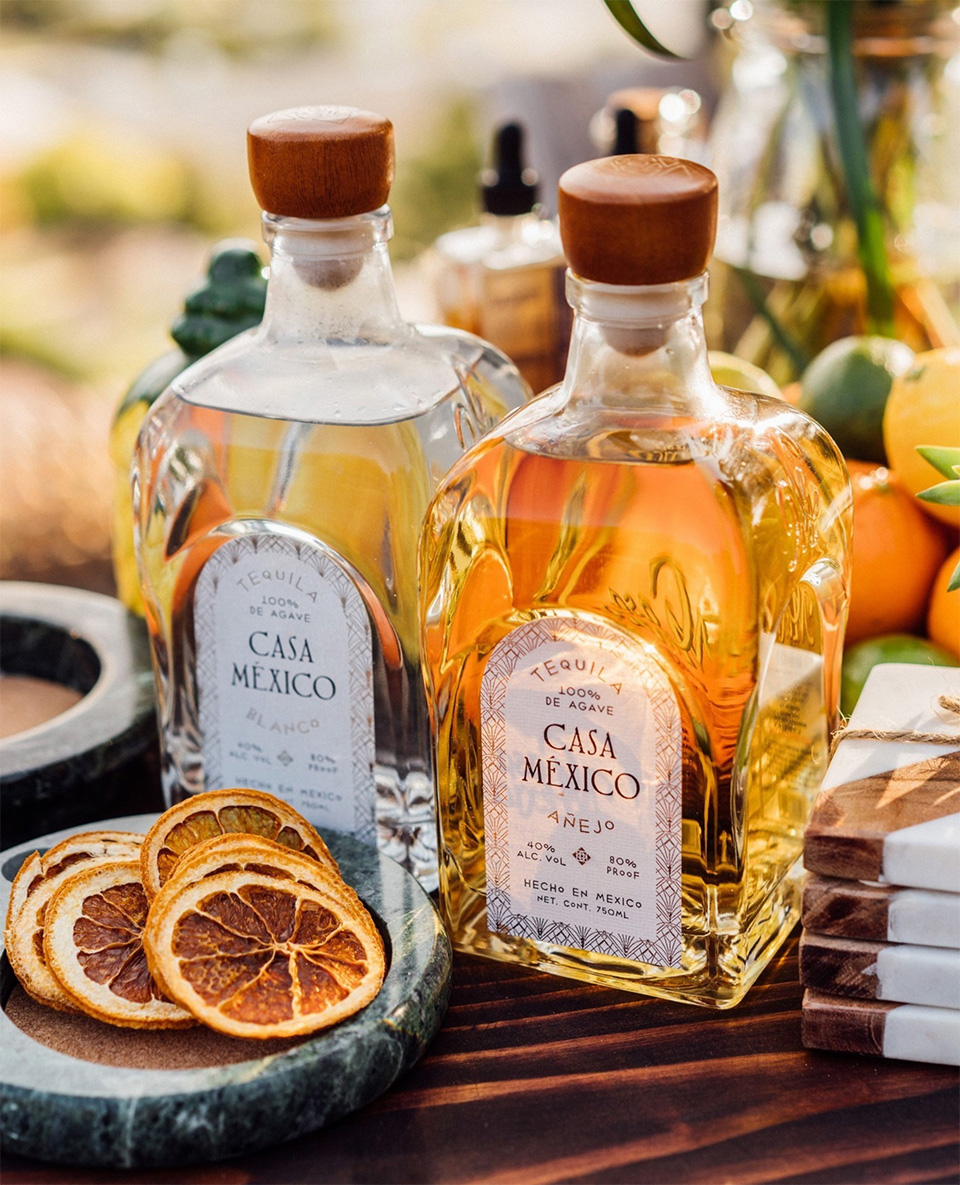
Casa México Tequila is crafted under the guidance of world-renowned Maestra Tequilera Ana María Romero Mena. With decades of experience creating acclaimed tequilas and mentoring future generations of distillers, she brings both deep tradition and thoughtful innovation to the brand. From agave selection to distillation and aging, her expertise ensures every expression reflects authenticity, precision and exceptional quality.

What Happens to Tequila When You Freeze It?
Freezing tequila chills the liquid without turning it into solid ice because the alcohol content keeps the freezing point below household freezer temperatures. Standard tequila contains 35% to 40% alcohol by volume, allowing the liquid to remain pourable at about -18°C (0°F). Freezer storage changes the serving temperature instead of the alcohol concentration.
Lower temperatures create a thicker texture and suppress volatile aroma compounds that contribute to flavor perception. Reduced aroma makes tequila taste smoother, yet less expressive, during sipping. Freezing affects the drinking experience rather than the tequila’s quality or alcohol content. Blanco tequila retains a fresher agave character than reposado and Añejo tequila, because oak-derived aromas become less noticeable after prolonged chilling.
How Does Freezing Affect Tequila’s Flavor and Aroma?
Freezing mutes tequila’s flavor and aroma by reducing the release of volatile aromatic compounds. Lower temperatures slow evaporation, making agave, citrus, herbal, and oak notes less noticeable during tasting. Colder tequila develops a smoother mouthfeel that reduces the perception of alcohol, particularly in lower-quality tequilas.
Premium Blanco, Reposado, and Añejo tequila deliver fuller aroma and flavor when served at room temperature or lightly chilled. Warmer serving temperatures allow aromatic compounds to reach the nose more effectively, creating a richer tasting experience. Freezer storage changes sensory perception instead of altering the spirit itself, preserving the quality of tequila’s flavor.
Can Freezing Reduce the Taste of Tequila?
Yes, freezing reduces the taste of tequila by suppressing aroma compounds that contribute to flavor perception. Lower temperatures slow the release of volatile compounds, making agave, citrus, pepper, vanilla, and oak notes less noticeable during sipping. Colder tequila tastes smoother because the alcohol sensation becomes less pronounced.
Premium tequila loses part of its aroma complexity after freezer storage, making subtle flavors harder to detect. Blanco, Reposado, and Añejo tequila retain the same alcohol content and quality at lower serving temperatures. Room temperature or light chilling preserves a fuller flavor profile than freezing.
Why did my tequila freeze?
Tequila freezes because its alcohol content is lower than expected or because the bottle is stored at temperatures colder than a typical household freezer. Standard tequila contains 40% alcohol by volume, which normally prevents the liquid from freezing solid at about -18°C (0°F). Ethanol lowers the freezing point enough that standard tequila remains pourable.
Frozen or slushy tequila often indicates lower alcohol content, dilution, or added ingredients that increase the freezing point. Flavored tequila, tequila liqueurs, and lower-proof products freeze more easily because they contain higher water or sugar content. Commercial freezers and ultra-low-temperature storage reach temperatures that freeze standard tequila more easily than household freezers. Freezing alone does not confirm poor quality because alcohol content and composition determine how tequila responds to cold temperatures.
What Can Cause Tequila to Freeze Unexpectedly?
Tequila freezes unexpectedly because of its low alcohol content, added water, or exposure to very low temperatures, which, which raises the freezing point. Standard tequila contains 40% alcohol by volume, which normally remains liquid in a household freezer near -18°C (0°F). Lower alcohol concentration reduces ethanol’s ability to resist freezing.
Flavored tequila, tequila liqueurs, and lower-proof tequila freeze more easily because higher water and sugar content increase the freezing point. Commercial freezers and ultra-low-temperature storage produce freezing conditions beyond standard household freezers. Checking the alcohol content on the label and reviewing storage conditions help identify why tequila freezes unexpectedly.
Is Frozen Tequila a Sign of Low Alcohol Content?
Yes, frozen tequila is a sign of low alcohol content in many cases, although freezing alone does not confirm it. Standard tequila contains 35% to 40% alcohol by volume, which normally remains liquid in a household freezer near -18°C (0°F). Lower-proof tequila freezes more easily because higher water content raises the freezing point.
Flavored tequila, tequila liqueurs, and diluted products develop slushy or frozen textures more readily than standard tequila. Alcohol percentage and storage temperature provide a more reliable explanation than appearance alone. Alcohol classification and alcohol strength vary across spirits, making different types of alcohol relevant when comparing freezing behavior.
How Should You Store Tequila for the Best Quality?
Tequila should be stored upright in a cool, dark place with the bottle tightly sealed to preserve its flavor and aroma. Upright storage keeps the spirit from prolonged contact with the closure, reducing the risk of seal deterioration. Stable temperatures help maintain the natural balance of agave flavors and oak-derived aromas found in aged expressions. Dry storage conditions reduce unnecessary exposure to moisture that affects the bottle and closure over time.
Heat, direct sunlight, and frequent temperature changes gradually reduce aroma and flavor quality through oxidation and evaporation. Storage cabinets, pantries, and enclosed liquor cabinets provide better protection than windowsills or areas near ovens and appliances. Premium Blanco, Reposado, and Añejo tequila retain their intended character longer when stored under consistent conditions after opening. Proper storage preserves the spirit’s original profile and supports long-term quality, making how to store tequila an essential part of caring for every bottle.
What Storage Conditions Help Preserve Tequila?
The best storage conditions for tequila include a stable, cool temperature, low light exposure, and an upright bottle position. Upright storage keeps the spirit away from prolonged contact with the closure, reducing unnecessary wear on the seal. Cool, consistent temperatures help maintain the original balance of agave flavors and aromatic compounds.
A tightly sealed cap reduces oxidation and evaporation after the bottle has been opened. Dark storage locations protect tequila from ultraviolet light that gradually weakens aroma and flavor. Storage cabinets, pantries, and enclosed liquor shelves provide better protection than areas exposed to sunlight or heat. Proper storage conditions preserve the original flavor, aroma, appearance, and overall quality of tequila for a longer period.
Can you Keep Tequila in the freezer for a long time?
Yes, tequila stays in the freezer for a long time without becoming unsafe to drink. Standard tequila contains 35% to 40% alcohol by volume, which prevents solid freezing under normal household freezer conditions. Long-term freezer storage does not reduce the alcohol content or spoil the spirit.
Lower temperatures suppress aroma and soften flavor intensity throughout extended storage. Premium Blanco, Reposado, and Añejo tequila lose part of their aroma complexity when served directly from the freezer. Cool, dark storage at a stable temperature preserves the original tasting profile more effectively than long-term freezer storage.
How Does Frozen Tequila Compare With Chilled Tequila?
Frozen tequila differs from chilled tequila because the lower serving temperature changes the way flavor and aroma are perceived. Frozen tequila reaches temperatures near household freezer conditions, whereas chilled tequila remains cool without approaching the freezing point. Standard tequila stays liquid because the alcohol content lowers the freezing point below normal freezer temperatures.
Frozen tequila delivers a smoother mouthfeel because colder temperatures reduce the perception of alcohol and suppress volatile aroma compounds. Chilled tequila preserves more agave character, citrus notes, herbal aromas, and oak complexity than frozen tequila. Frozen tequila suits drinkers seeking a smoother experience, whereas chilled tequila provides a fuller appreciation of the spirit’s original flavor and aroma profile.
Which Serving Temperature Brings Out the Best Flavor?
The best serving temperature for tequila ranges from 15°C to 18°C (59°F to 65°F). Moderate temperatures allow volatile aroma compounds to evaporate naturally, producing stronger agave, citrus, herbal, vanilla, and oak notes. Room temperature or light chilling preserves the intended balance created during production.
Premium Blanco, Reposado, and Añejo tequila develop greater aroma complexity than frozen tequila at the recommended serving range. Excessive cold suppresses aroma and reduces flavor intensity, making subtle tasting notes harder to identify. Proper serving temperature allows tequila’s original character and finish to be fully expressed.
Does Freezing Affect Different Types of Alcohol the Same Way?
No, freezing does not affect different types of alcohol the same way. Alcohol content, water content, sugar content, and production methods determine how each spirit responds to low temperatures. Higher-proof spirits remain liquid more easily than lower-proof beverages.
Vodka, whiskey, rum, gin, and standard tequila resist freezing because their higher alcohol concentrations lower their freezing points. Liquids, cream-based spirits, and lower-proof alcoholic beverages become slushy or freeze more easily because higher water and sugar content raise the freezing point. Composition determines freezing behavior more than the spirit category alone.
Is Chilled Tequila Better Than Frozen Tequila?
Yes, chilled tequila is better than frozen tequila for preserving the original flavor and aroma. Light chilling maintains agave character, citrus notes, herbal aromas, and oak complexity more effectively than freezer storage. Moderate serving temperatures produce a balanced tasting experience without masking delicate flavors.
Frozen tequila delivers a smoother mouthfeel because lower temperatures reduce aroma intensity and soften alcohol perception. Chilled tequila provides greater flavor definition and a longer finish, making premium Blanco, Reposado, and Añejo tequila easier to appreciate during sipping.
Which Tequilas Should You Freeze?
The tequila you should freeze consists of premium-aged expressions that rely on complex aromas and oak character. Freezing suits tequila styles intended for chilled shots or mixed drinks instead of detailed sipping.
The tequilas you should freeze are listed below.
- Blanco Tequila: Fresh agave flavors remain noticeable after freezer storage. Crisp citrus and pepper notes create a refreshing experience during chilled shots.
- Mixto Tequila: Lower-priced mixto tequila suits freezer storage because reduced aroma has less impact on the overall drinking experience. Freezing serves to soften alcohol perception.
- Tequila for Shots: Party shots benefit from freezer storage because colder temperatures create a smoother mouthfeel. Reduced aroma becomes less noticeable during quick consumption.
- Tequila for Cocktails: Frozen tequila pairs well with citrus juice, syrups, or sparkling mixers. Cocktail ingredients contribute additional aroma and flavor that balance the chilled spirit.
What Should You Consider Before Freezing Different Types of Tequila?
Different tequila styles require different serving approaches before freezer storage. Blanco tequila retains a fresher agave character better than aged expressions because the flavor profile relies less on oak-derived aromas. Reposado and Añejo tequila develop greater complexity through barrel aging, which becomes less noticeable at very low temperatures.
Alcohol content, production style, and intended serving method influence freezer suitability. Premium sipping tequila delivers a fuller aroma at room temperature or light chilling, whereas tequila intended for shots or cocktails performs well after freezer storage. Flavor expectations and serving purpose determine the best approach for different types of tequila.
Can Frozen Tequila Be Used in an Añejo Negroni Cocktail?
Yes, frozen tequila can be used in an Añejo Negroni cocktail. Lower serving temperature creates a smoother texture before the spirit combines with sweet vermouth and bitters. Cocktail ingredients contribute bold aromas that remain noticeable despite the colder tequila. Room-temperature añejo tequila produces greater oak, vanilla, and caramel complexity than frozen tequila in the finished drink. Frozen tequila creates a colder and softer cocktail without changing the alcohol content. Serving preference determines the final tasting experience in an Añejo Negroni Cocktail.