EN
EN ES
ES PL
PL TR
TR
Tequila can be consumed every day, but daily consumption depends on alcohol intake, serving size, drinking frequency, and health rather than beverage type alone. Premium tequila produced from 100% Blue Weber agave contains negligible carbohydrates when served plain, yet ethanol remains the active component that influences the human body. Daily alcohol consumption receives scientific attention because repeated ethanol exposure affects metabolism, organ function, hydration, and cognitive performance over time. Public health guidance evaluates alcohol through measurable factors instead of beverage reputation or traditional beliefs. Responsible drinking emphasizes moderation, standard serving sizes, alcohol concentration, and personal health conditions when assessing potential health outcomes.
Tequila can be consumed every day, although scientific evidence does not identify daily alcohol consumption as a practice that improves health. Clinical research examines alcohol metabolism, cardiovascular health, liver function, brain activity, sleep quality, and long-term disease risk through evidence-based studies. Traditional claims occasionally associate premium tequila with digestive or metabolic advantages, yet clinical findings distinguish cultural beliefs from scientifically supported conclusions. Beverage quality, production methods, and agave purity do not eliminate ethanol-related effects because alcohol remains the defining factor influencing the body. The article evaluates current scientific evidence, explains daily tequila consumption from a medical perspective, distinguishes established research from traditional claims, and discusses responsible drinking within the context of premium tequila.
What does Drinking Tequila Every Day Mean?
Drinking tequila every day means consuming tequila on each calendar day, regardless of the amount consumed during each drinking occasion. The definition describes drinking frequency rather than beverage preference, alcohol quality, or tequila category. Health professionals classify alcohol consumption according to recurring patterns because drinking frequency influences total alcohol exposure over time. Daily consumption differs from occasional drinking, which occurs infrequently, and regular drinking, which follows a recurring pattern without necessarily occurring each day. Serving size remains a separate measurement that determines how much ethanol enters the body during each occasion. Medical research evaluates frequency together with serving size because repeated alcohol exposure depends on the factors, instead of either measurement alone. A small daily serving and a large daily serving share the same drinking frequency but produce different levels of alcohol intake. Clear terminology establishes a consistent framework before evaluating alcohol metabolism, physiological responses, potential health effects, and responsible drinking practices.
Why do Drinking Frequency and Serving Size Matter?
Drinking frequency and serving size matter because the measurements determine total alcohol exposure across a defined period. Drinking frequency refers to how common tequila is consumed during days, weeks, or months, while serving size measures the amount of alcohol consumed during each drinking occasion. Medical researchers evaluate the drinking frequency and serving size because neither provides a complete picture of alcohol intake independently. Frequent consumption with small servings creates a different exposure pattern from infrequent consumption with larger servings, even when total alcohol intake appears similar. Serving size directly affects the amount of ethanol entering the bloodstream, while drinking frequency influences how regularly the body processes alcohol. Combined evaluation supports accurate classification of occasional, regular, moderate, and daily alcohol consumption. Public health guidance relies on the two measurements when assessing drinking behaviors, cumulative alcohol exposure, and potential health outcomes. Consistent measurement creates a reliable foundation for evidence-based discussions about daily tequila consumption.
Does Daily Tequila Consumption Refer to Drinking Every Calendar Day?
Yes, daily tequila consumption refers to drinking every calendar day. The definition applies whenever tequila is consumed on each day of the calendar, regardless of whether the serving consists of a single measured shot or multiple drinks. Daily consumption describes drinking frequency instead of the quantity consumed during each occasion. Serving size remains a separate factor that determines the amount of ethanol entering the body with each drink. Medical research combines daily drinking frequency with serving size to measure total alcohol exposure across time. A person consuming one standard serving daily and another consuming larger daily amounts share the same frequency classification but differ in total alcohol intake. Researchers evaluate the measurements together because cumulative ethanol exposure influences physiological responses and long-term health outcomes. Clear distinction between drinking frequency and serving size creates a consistent basis for discussing alcohol metabolism, responsible drinking, and evidence-based health effects.
How does Daily Tequila Consumption Affect the Body?
Daily tequila consumption affects the body through repeated exposure to ethanol, which undergoes absorption, distribution, metabolism, and elimination after each drinking occasion. Ethanol enters the bloodstream through the digestive system and rapidly circulates to organs that respond to alcohol. The liver performs the primary role in metabolizing ethanol into compounds suitable for removal from the body. Immediate physiological responses include temporary changes in coordination, reaction time, hydration, and cognitive performance as blood alcohol concentration rises. Repeated daily exposure increases the frequency of alcohol metabolism because the body processes ethanol after each serving. The cumulative effects of alcohol depend on drinking frequency, serving size, alcohol concentration, and personal health characteristics rather than tequila quality alone. Medical research evaluates repeated alcohol exposure over extended periods because long-term consumption patterns influence health outcomes differently from isolated drinking occasions. Understanding alcohol metabolism establishes a scientific foundation before examining potential health effects associated with daily tequila consumption.
What Happens When You Drink Tequila?
A sequence of physiological processes happens when you drink tequila. Ethanol enters the digestive system, reaches the bloodstream, circulates throughout the body, undergoes liver metabolism, and is eliminated from the body. Each stage contributes to the temporary effects associated with alcohol consumption. The body’s response depends on alcohol concentration, serving size, food intake, and metabolic function.
The factors listed below happen when you drink tequila.
Meet Our Maestra Tequilera
Casa México Tequila is crafted under the guidance of world-renowned Maestra Tequilera Ana María Romero Mena. With decades of experience creating acclaimed tequilas and mentoring future generations of distillers, she brings both deep tradition and thoughtful innovation to the brand. From agave selection to distillation and aging, her expertise ensures every expression reflects authenticity, precision and exceptional quality.

- Alcohol Absorption: Tequila enters the stomach after consumption, although the small intestine absorbs the largest portion into the bloodstream. Food inside the stomach slows absorption, whereas an empty stomach allows alcohol to enter circulation quickly.
- Bloodstream Distribution: The bloodstream transports ethanol throughout the body after absorption. Alcohol reaches the brain, liver, heart, muscles, and other organs, producing measurable physiological effects shortly after entering circulation.
- Liver Metabolism: The liver metabolizes ethanol through specialized enzymes that convert alcohol into compounds suitable for elimination. Liver metabolism follows a relatively steady processing rate rather than accelerating with larger alcohol intake.
- Brain and Nervous System Response: Alcohol influences communication among brain cells after reaching the central nervous system. Temporary effects include altered judgment, slower reaction time, reduced coordination, mood changes, and impaired balance.
- Elimination of Alcohol: The liver metabolizes ethanol into compounds suitable for elimination. Small amounts of alcohol leave the body through breath, urine, and sweat until the blood alcohol concentration returns to zero.
Does Tequila Affect the Body Immediately?
Yes, tequila affects the body immediately. Ethanol begins entering the bloodstream shortly after absorption through the stomach and the small intestine. Blood circulation transports alcohol throughout the body, allowing ethanol to reach the brain and other organs within a relatively short period. Early physiological responses begin as blood alcohol concentration increases after consumption. Temporary effects include slower reaction time, reduced coordination, altered judgment, mild dehydration, and changes in cognitive performance. The intensity of the responses depends on serving size, alcohol concentration, food intake, body composition, and metabolic rate. Alcohol metabolism continues after absorption because the liver breaks down ethanol into compounds suitable for elimination. Immediate effects decrease as blood alcohol concentration falls during metabolism. Scientific research evaluates early physiological responses together with cumulative alcohol exposure when examining short-term and long-term health effects associated with repeated tequila consumption.
How does Serving Size Influence Daily Tequila Consumption?
Serving size influences daily tequila consumption by determining the amount of ethanol consumed per drinking occasion. Serving size measures the quantity of alcohol in a single drink, while drinking frequency measures how often tequila is consumed over a defined period. Medical researchers evaluate the measurements together because total alcohol intake depends on quantity and frequency rather than either factor alone. A larger serving delivers ethanol to the body during one occasion, whereas a smaller serving produces lower alcohol exposure. Daily consumption involving identical serving sizes creates a different alcohol pattern from daily consumption involving larger pours. Standard serving measurements provide a consistent method for comparing alcohol intake across different drinking habits. Public health guidance uses serving size to estimate ethanol exposure, assess drinking patterns, and evaluate potential health effects. Accurate serving measurements establish a reliable foundation for evidence-based discussions about daily tequila consumption, responsible drinking, and alcohol-related health outcomes.
What is a Standard Serving of Tequila?
A standard serving of tequila is a measured portion that contains one standard drink when prepared at the recommended alcohol concentration. A standard serving generally equals 1.5 fluid ounces of tequila at 40% alcohol by volume, providing about 14 grams of pure alcohol. Public health organizations use standard drink measurements to create a consistent method for comparing alcohol intake across different beverages. The measurement focuses on ethanol content rather than the type of alcoholic drink. Standard serving sizes support accurate tracking of alcohol consumption during daily, regular, or occasional drinking patterns. Larger pours contain greater amounts of ethanol and increase total alcohol exposure during one drinking occasion. Measuring tequila according to a standard serving creates a reliable basis for evaluating drinking habits, estimating alcohol intake, and comparing consumption with evidence-based low-risk drinking guidelines. Consistent serving measurements support responsible alcohol consumption and informed decisions about daily tequila intake.
Does One Serving Equal One Standard Drink?
Yes, one serving is equal to one standard drink. A standard serving of tequila generally equals one standard drink when poured at 1.5 fluid ounces with an alcohol concentration of 40% alcohol by volume. The measurement contains about 14 grams of pure alcohol, allowing consistent comparison across distilled spirits, beer, and wine. Larger servings exceed one standard drink because each serving delivers more ethanol. Stronger tequila products with higher alcohol concentrations likewise contain the same amount of alcohol. Public health guidance relies on standard drink measurements to estimate alcohol intake, classify drinking patterns, and evaluate total alcohol exposure. Measuring tequila according to standard serving recommendations provides a consistent foundation for responsible drinking, evidence-based health assessments, and accurate alcohol tracking across different drinking occasions.
What is the Nutritional Content of Tequila?
The nutritional content of tequila is determined by alcohol content, calories, carbohydrates, sugar, protein, and fat. Plain tequila contains few nutrients because distillation removes most non-alcoholic compounds from the finished spirit. Serving size determines total nutritional intake, whereas sweetened mixers increase calories, carbohydrates, and sugar beyond the values found in plain tequila. The nutritional profile depends on the tequila itself and any ingredients added after distillation.
The nutritional content of tequila is listed below.
- Calories: Calories in tequila come from ethanol rather than carbohydrates, protein, or fat. Larger servings and sweetened mixers increase total calorie intake beyond plain tequila.
- Alcohol Content: Tequila commonly contains about 40% alcohol by volume, although products vary. Alcohol concentration determines the strength of each serving and contributes directly to calorie content.
- Carbohydrates: Properly distilled 100% Blue Weber agave tequila contains little to no carbohydrates. Sweetened beverages, flavored ingredients, and cocktail mixers increase carbohydrate content after the tequila leaves the bottle.
- Sugar: Properly distilled 100% agave tequila contains little to no residual sugar. Sugar present in tequila cocktails commonly comes from syrups, juices, sodas, or other added ingredients.
- Protein: Tequila is not a meaningful source of protein because distillation removes proteins during production. Protein contributes virtually nothing to tequila’s nutritional profile.
- Fat: Tequila contains virtually no fat after distillation. Fat content remains insignificant regardless of tequila style when served plain.
How Many Calories are in Tequila?
The amount of calories in tequila depends on the serving size, alcohol concentration, and ingredients added after distillation. A standard 1.5-fluid-ounce serving of tequila at 40% alcohol by volume contains about 97 calories, and energy comes from ethanol rather than carbohydrates, protein, or fat. Alcohol supplies about 7 calories per gram, making ethanol the primary contributor to the drink’s energy value. Plain 100% Blue Weber agave tequila contains little to no carbohydrates or residual sugar after distillation, although calories remain because of alcohol. Larger pours increase total calorie intake by delivering more ethanol per serving. Fruit juices, syrups, liqueurs, cream-based ingredients, and sweetened mixers further raise the total energy content of the drink. Comparing serving size, alcohol strength, and added ingredients provides a clearer understanding of tequila calories across different drinking patterns.
Does Tequila Contain Calories?
Yes, tequila contains calories. Alcohol supplies about 7 calories per gram, making ethanol the primary source of energy in tequila, even when the spirit contains little to no carbohydrates, sugar, protein, or fat. A standard serving provides calories because of alcohol rather than added sweeteners. Plain 100% Blue Weber agave tequila derives caloric value from ethanol after distillation removes non-alcoholic components. Larger servings increase calorie intake because each serving delivers more alcohol. Cocktail ingredients, fruit juices, syrups, and sweetened mixers further increase total calories beyond the values found in plain tequila. Understanding the source of tequila calories supports accurate nutritional evaluation and distinguishes alcohol-derived energy from calories contributed by added ingredients.
How Safe is Drinking Tequila Every Day?
Drinking tequila every day is safe when evaluated through total alcohol intake, serving size, drinking frequency, personal health, and adherence to evidence-based drinking guidelines rather than the beverage alone. Daily alcohol consumption affects people differently because age, biological sex, body composition, existing medical conditions, and medication use influence alcohol metabolism and physiological responses. A small daily serving produces a different level of alcohol exposure than repeated large servings consumed over the same period. Medical guidance considers cumulative alcohol intake because repeated exposure influences short-term impairment and long-term health outcomes. Low-risk drinking recommendations provide a framework for assessing alcohol consumption, although alcohol-related risks remain despite guideline adherence. Safety depends on evaluating serving size, drinking frequency, health status, prescribed medications, and lifestyle habits together before determining whether daily tequila consumption aligns with responsible drinking practices and informed health decisions.
What Factors Influence the Safety of Daily Tequila Consumption?
The factors that influence the safety of daily tequila consumption are alcohol intake, serving size, drinking frequency, personal health, medication use, age, biological sex, lifestyle habits, and adherence to low-risk drinking guidelines. No single factor determines whether daily alcohol consumption is appropriate because the body’s response varies according to health and drinking patterns. Medical professionals evaluate multiple factors together to estimate alcohol exposure and potential health risks. A complete assessment provides an accurate understanding of responsible tequila consumption.
The factors that influence the safety of daily tequila consumption are listed below.
- Serving Size: The amount of ethanol consumed during each drinking occasion. Larger servings increase total alcohol exposure and raise the likelihood of short-term impairment and long-term health risks.
- Drinking Frequency: Drinking tequila every day creates repeated alcohol exposure across consecutive days. Frequent alcohol intake reduces alcohol-free recovery periods compared with occasional drinking.
- Consumer Health Status: Existing medical conditions (liver disease, cardiovascular disease, diabetes, and mental health disorders) influence how the body responds to alcohol. Underlying health conditions increase the risk of alcohol-related complications.
- Medication Use: Alcohol interacts with prescription medications and over-the-counter medicines. Drug interactions reduce medication effectiveness or increase the risk of adverse effects.
- Age and Biological Sex: Alcohol metabolism differs according to age and biological sex because of variations in body composition, enzyme activity, and alcohol distribution. The differences influence blood alcohol concentration after similar alcohol intake.
- Lifestyle Habits: Nutrition, hydration, sleep quality, physical activity, and health behaviors influence alcohol metabolism and recovery. Healthy lifestyle habits contribute to a complete evaluation of alcohol consumption patterns.
- Low-Risk Drinking Guidelines: Public health recommendations establish daily and weekly alcohol limits to reduce alcohol-related risks. Guideline adherence provides a consistent framework for evaluating responsible drinking practices.
Is it Safe to Drink Tequila Every Day?
No, it is not safe to drink tequila every day. Daily alcohol consumption increases health risks over time, although the level of risk depends on serving size, total alcohol intake, consumer health conditions, medication use, and adherence to evidence-based low-risk drinking guidelines. Alcohol metabolism, existing medical conditions, and lifestyle habits influence how the body responds to repeated alcohol exposure. Remaining within recommended drinking limits reduces risk but does not eliminate alcohol-related health concerns. Larger servings and alcohol intake beyond recommended limits increase the likelihood of liver disease, cardiovascular disease, cognitive impairment, and alcohol dependence. Alcohol consumption during pregnancy, alongside contraindicated medications, or in the presence of specific medical conditions, presents additional health concerns. Responsible drinking emphasizes moderation, informed decision-making, and careful evaluation of personal health before establishing any pattern of regular tequila consumption.
How can Tequila be Enjoyed Responsibly?
Tequila can be enjoyed responsibly by controlling alcohol intake, measuring serving size, limiting drinking frequency, and following evidence-based low-risk drinking guidelines. Responsible consumption focuses on the amount of ethanol consumed rather than the type or quality of tequila. Standard serving sizes provide a consistent method for monitoring alcohol intake across different drinking occasions. Drinking with food, maintaining hydration, pacing alcoholic beverages, and avoiding excessive consumption support safer drinking habits. Personal health conditions, medication use, and alcohol tolerance influence how the body responds to tequila and deserve careful consideration before drinking. Public health recommendations encourage moderation because repeated alcohol exposure increases health risks over time. Combining measured servings, informed decision-making, and healthy lifestyle habits provides a practical framework for enjoying premium tequila while reducing unnecessary alcohol-related risks.
What Habits Support Responsible Tequila Consumption?
The habits that support responsible tequila consumption are moderation, measured serving sizes, hydration, drinking with food, pacing alcohol intake, and avoiding excessive consumption. Responsible drinking emphasizes controlling total alcohol intake instead of focusing on beverage choice. Consistent habits reduce unnecessary alcohol exposure and support informed drinking decisions. Combining multiple healthy practices creates a balanced approach to alcohol consumption.
The habits that support responsible tequila consumption are listed below.
- Moderate Drinking: Moderate drinking means consuming alcohol within established low-risk drinking guidelines. Limiting the serving size and drinking frequency reduces cumulative alcohol exposure over time.
- Standard Serving: A standard serving of tequila contains one standard drink when measured at the recommended alcohol concentration. Measuring each serving provides a reliable way to track total alcohol intake.
- Hydration: Drinking water before, during, and after tequila consumption supports normal hydration. Water replaces fluids lost during alcohol consumption, although it does not prevent intoxication.
- Drinking with Food: Consuming tequila alongside a balanced meal slows alcohol absorption compared with drinking on an empty stomach. Food delays the movement of alcohol into the small intestine and bloodstream.
- Pacing Alcohol Intake: Allowing time between alcoholic drinks slows the rate of alcohol consumption. Spacing alcoholic drinks reduces rapid increases in blood alcohol concentration and supports controlled drinking.
- Avoiding Excessive Consumption: Limiting alcohol intake reduces the likelihood of acute impairment and long-term alcohol-related health risks. Premium tequila is commonly enjoyed in measured portions rather than in excessive quantities.
Does Drinking Water Help Reduce Dehydration?
Yes, drinking water helps reduce dehydration. Alternating water with alcoholic beverages supports fluid replacement because alcohol increases fluid loss through greater urine production. Water improves hydration status, although it does not slow alcohol absorption, reduce blood alcohol concentration, or prevent intoxication. Maintaining adequate fluid intake helps reduce thirst and supports normal body functions during alcohol consumption. Hydration remains one part of responsible drinking because ethanol continues affecting the body until metabolism removes it from the bloodstream. Drinking water before, during, and after tequila consumption contributes to better fluid balance, yet moderation, measured serving sizes, and appropriate drinking frequency remain key practices for reducing alcohol-related health risks.
What Makes Premium Tequila Different?
The characteristics that make premium tequila different include authentic ingredients, regulated production methods, skilled craftsmanship, and strict quality standards. Premium tequila begins with 100% Blue Weber agave harvested at proper maturity before cooking, fermentation, distillation, and aging. Each production stage contributes to aroma, flavor, texture, and character. Mexican regulations establish production requirements that distinguish authentic tequila from products containing alternative sugar sources. Raw material quality, skilled production, and consistent manufacturing practices preserve authenticity throughout the process. Understanding each production stage explains why premium tequila develops distinctive sensory characteristics under official tequila standards.
The characteristics that make premium tequila different are listed below.
- 100% Blue Weber Agave: Authentic 100% agave tequila uses Blue Weber agave as the exclusive source of fermentable sugars. Ingredient purity distinguishes premium tequila from mixto tequila containing additional sugar sources.
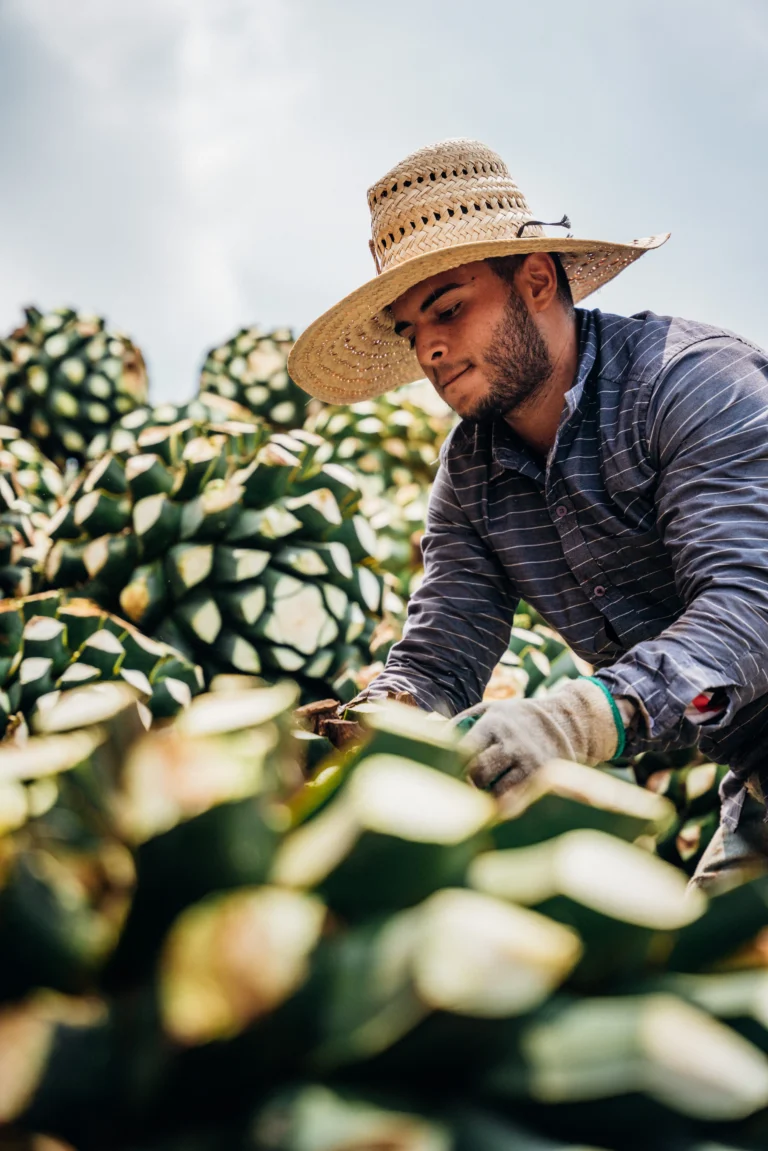
- Agave Harvesting: Skilled jimadores harvest mature Blue Weber agave by removing the leaves and collecting the piña. Proper maturity contributes fermentable sugars needed for tequila production.
- Cooking Process: Cooking converts complex agave carbohydrates into fermentable sugars. The process develops characteristic sweetness and prepares the agave for fermentation.
- Fermentation: Yeast converts agave sugars into ethanol. The process contributes aroma compounds, flavor development, and alcohol formation.
- Distillation: Distillation concentrates ethanol while refining aroma and flavor. Premium tequila commonly undergoes two distillation cycles to achieve the desired purity and character.
- Traditional Craftsmanship: Traditional craftsmanship combines established production methods, skilled expertise, and quality control throughout tequila production. Consistent practices preserve authenticity, quality, and recognizable sensory characteristics.
Why is 100% Blue Weber Agave Important?
A 100% Blue Weber agave is important because Mexican regulations recognize Agave tequilana Weber Blue variety as the sole agave species permitted for authentic 100% agave tequila production. Using mature Blue Weber agave ensures every fermentable sugar originates from the same botanical source, strengthening authenticity and production consistency. Natural agave sugars support fermentation, which produces ethanol together with aroma and flavor compounds that define premium tequila. Ingredient quality influences aroma, taste, texture, and sensory character without changing how the body absorbs or metabolizes alcohol. Production standards rely on agave purity to distinguish premium tequila from products containing additional sugar sources before fermentation. Authentic production methods preserve the distinctive characteristics of blue agave, reinforcing the identity and craftsmanship of premium tequila.
Does 100% Blue Weber Agave Distinguish Premium Tequila?
Yes, 100% Blue Weber agave distinguishes premium tequila. Tequila produced entirely from Agave tequilana Weber Blue variety follows production standards requiring every fermentable sugar to originate from the same agave species. Ingredient purity distinguishes premium tequila from mixto tequila, which is produced with additional sugar sources before fermentation. Mature Blue Weber agave contributes characteristic aroma, flavor, and sensory quality throughout production. Distillation and aging further refine the finished spirit without altering the authenticity established by the raw ingredient. The 100% agave designation remains one of the defining characteristics associated with premium tequila and recognized production quality.
How do Tequila Styles Influence the Drinking Experience?
Tequila styles influence the drinking experience through differences in aging, barrel maturation, flavor development, appearance, and texture. Official aging classifications determine how long tequila matures before bottling, creating recognizable sensory characteristics across each style. Time spent in oak barrels changes aroma, color, mouthfeel, and finish while preserving the spirit’s agave foundation. Understanding each style helps explain why premium tequilas provide distinct tasting experiences despite sharing the same raw ingredient.
Tequila styles influence the drinking experience through the factors listed below.
- Aging Period: Aging duration determines the official classification of each tequila style. Longer maturation produces noticeable changes in aroma, texture, and flavor complexity.
- Barrel Maturation: Oak barrels influence tequila through barrel contact that develops additional aroma and flavor compounds. Barrel contact introduces additional aroma compounds and refines the spirit’s character.
- Flavor Profile: Aging changes the balance of fresh agave, vanilla, caramel, oak, spice, and other tasting notes. Longer maturation generally creates deeper and layered flavors.
- Appearance: Tequila develops a deeper color during barrel aging through continued contact with oak. Aged expressions undergo filtration to achieve a clear appearance while preserving much of the barrel-aged character.
- Texture and Finish: Barrel aging influences mouthfeel, body, smoothness, and finish. Extended maturation generally creates a fuller texture and a longer-lasting finish.
What are the Main Types of Premium Tequila?
The main types of premium tequila are classified according to official aging categories established under Mexican tequila regulations. Each expression begins with the same production process, although maturation creates noticeable differences in aroma, flavor, appearance, texture, and finish. Aging time determines each style’s identity while preserving the distinctive character of 100% Blue Weber agave. Understanding each classification provides a practical foundation for comparing premium tequila expressions.
The main types of premium tequila are listed below.
- Blanco: Blanco tequila is unaged or minimally aged before bottling. Fresh agave, citrus, herbal, and peppery notes define the clean character of the expression.
- Reposado: Reposado tequila matures in oak barrels for at least 2 months and less than 1 year. Barrel aging introduces balanced notes of vanilla, caramel, light oak, and spice while preserving agave flavor.
- Añejo: Añejo tequila matures in oak barrels for at least 1 year and less than 3 years. Extended aging develops richer flavors, smoother texture, dried fruit notes, and deeper oak influence.
- Extra Añejo: Extra Añejo tequila ages for 3 years in oak barrels. Longer maturation creates greater complexity, fuller body, pronounced oak character, and a refined finish.
- Cristalino: Cristalino tequila is an aged tequila filtered to remove barrel-derived color. Filtration preserves much of the aged character while creating a crystal-clear appearance.
Does Aging Change the Flavor Profile of Tequila?
Yes, aging changes the flavor profile of tequila. Barrel maturation changes aroma, flavor, texture, appearance, and finish through continued contact with oak. Fresh agave notes become balanced with vanilla, caramel, oak, baking spice, and dried fruit characteristics as maturation progresses. Longer aging generally produces deeper color, smoother mouthfeel, and greater flavor complexity. Different barrel types, maturation periods, and storage conditions contribute to the final sensory profile without altering the alcohol content established during distillation. Aging distinguishes tequila expressions through sensory development rather than changes in alcohol metabolism or nutritional composition.
What are the Claimed Health Benefits of Tequila?
The claimed health benefits of tequila are based on traditional beliefs associating it with digestion, metabolism, blood sugar regulation, and other wellness effects. Scientific research does not support drinking tequila as a method for improving health or preventing disease. Tequila originates from Blue Weber agave, although distillation changes the composition of the final spirit by concentrating ethanol and removing original plant compounds from the fermented liquid. Research on agave components does not establish the same effects for distilled tequila because alcohol becomes the primary active ingredient. Distinguishing traditional claims from evidence-based findings provides a clearer understanding of tequila health benefits within current scientific knowledge.
What Compounds are Found in Tequila?
The compounds found in tequila are ethanol, compounds derived from Blue Weber agave, congeners, and trace mineral elements. Ethanol remains the primary compound affecting the body’s physiological response after consumption. Additional compounds contribute mainly to aroma, flavor, and sensory characteristics rather than proven health effects. Distillation and aging influence the composition of the finished spirit while preserving tequila’s distinctive identity.
The compounds found in tequila are listed below.
- Ethanol: Ethanol is the primary alcohol present in tequila. The compound produces the physiological effects associated with alcohol consumption.
- Blue Weber Agave: Blue Weber agave supplies the fermentable sugars required for authentic tequila production. The plant serves as the defining raw ingredient before fermentation and distillation.
- Congeners: Flavor and aroma compounds produced during fermentation and barrel aging. The compounds contribute to aroma, flavor, and sensory character.
- Mineral Trace Elements: Trace minerals exist in very small amounts after production. Concentrations remain too low for tequila to qualify as a meaningful nutritional source.
Does Tequila Provide Proven Health Benefits?
No, tequila does not provide proven health benefits. Current scientific evidence does not support drinking tequila as a method for improving health or preventing disease. Tequila contains ethanol, which remains the primary compound affecting the body after consumption. Blue Weber agave provides plant-derived compounds before production, yet fermentation and distillation substantially alter the composition of the finished spirit. Research involving agave fiber, plant extracts, or other agave components does not demonstrate that consuming tequila produces the same biological effects. Alcohol-related health risks remain associated with tequila regardless of ingredient quality or production method. Scientific studies continue to distinguish laboratory findings involving agave from evidence involving alcoholic beverages. Health recommendations rely on established clinical evidence rather than traditional claims when evaluating tequila and health outcomes.