EN
EN ES
ES PL
PL TR
TR
Tequila sugar content depends on the finished product and the ingredients used in a drink. Fermentation and distillation transform agave sugars during production, while flavorings and mixers can affect the final sugar content. Check product-specific information and serving sizes when comparing tequila drinks.
A cocktail’s sugar content depends on the finished tequila and any flavorings, syrups, liqueurs, or mixers used. Agave sugars are fermented during tequila production, but the 100% agave classification alone does not establish the nutritional content of a finished bottle. Check available product information and include all ingredients when comparing drinks.
What is the Sugar Content in Tequila
The sugar content in tequila is 0 grams per 1.5 oz serving for 100% agave varieties. Sugar content is measured in grams per serving, and regulatory labeling standards in the United States require accurate nutritional disclosure for flavored or sweetened products. Unflavored tequila falls outside the mandatory nutrition labeling requirements under the Alcohol and Tobacco Tax and Trade Bureau (TTB) guidelines because its sugar content is negligible.
Ethanol distillation eliminates residual sugars by separating alcohol vapor from the fermented agave mash. The agave mash, known as “mosto,” contains fermentable sugars before distillation, but the process raises temperatures high enough to isolate ethanol, leaving sugars behind in the stillage. The final distilled product registers at 0g of sugar per standard shot. Flavored tequila products labeled “flavored” or “with natural flavors” are exceptions, as manufacturers add sweetening agents after distillation.
How many Grams of Sugar are in a Standard Serving of Tequila?
A standard serving of tequila contains 0 grams of sugar. The distillation process separates ethanol from fermentable compounds, resulting in a spirit free of residual sugar. A standard shot of 100% agave blanco, reposado, or añejo tequila registers at 0g of sugar per serving under laboratory measurement. Variation in sugar content occurs only in flavored or mixed tequila products. Flavored tequilas (mango, coconut, or cinnamon-infused varieties) contain 1g to 11g of sugar per 1.5 oz serving, depending on the manufacturer’s formula. Cocktail applications introduce additional sugar, a classic margarita with triple sec and simple syrup adds 8g to 20g per drink. A vodka soda contains 0g of sugar, comparable to straight tequila, while a piña colada exceeds 25g of sugar per serving.
How is Sugar Content Measured in Tequila Production?
Sugar content in tequila production is measured through laboratory testing methods applied at multiple stages of production. High-performance liquid chromatography (HPLC) is the industry standard for identifying and quantifying sugar compounds (fructose, glucose, and sucrose) in fermented and distilled liquids. Enzymatic assay testing is an alternative method, using enzyme reactions to detect specific sugar types with high precision. The Consejo Regulador del Tequila (CRT) requires that certified tequila producers document sugar content at the fermentation stage, verifying that agave fructans are adequately converted before distillation. Post-distillation testing confirms that the finished product contains no residual sugar above detectable thresholds.
Does 100% Agave Tequila have Sugar?
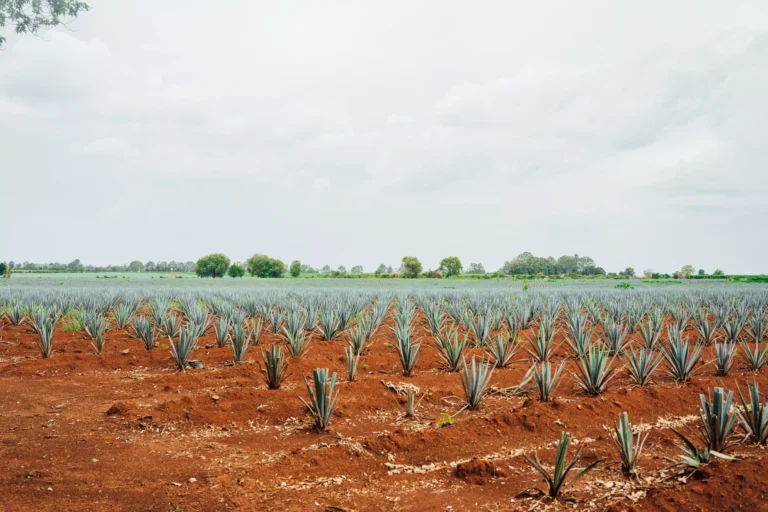
No, 100% agave tequila does not contain sugar after distillation. The blue agave plant (Agave tequilana Weber) stores carbohydrates as fructans in the piña, the core of the plant. The piñas are cooked during production to convert fructans into fermentable sugars, which are then consumed by yeast during fermentation to produce ethanol. Distillation removes ethanol from the fermented liquid, leaving the residual sugars in the non-alcoholic byproduct.
The 100% agave designation identifies the source of sugars used in fermentation. It does not by itself establish the absence of other ingredients or the sugar content of a finished bottle. Learn more about Agave tequila, and check product-specific information when estimating sugar content.
Meet Our Maestra Tequilera
Casa México Tequila is crafted under the guidance of world-renowned Maestra Tequilera Ana María Romero Mena. With decades of experience creating acclaimed tequilas and mentoring future generations of distillers, she brings both deep tradition and thoughtful innovation to the brand. From agave selection to distillation and aging, her expertise ensures every expression reflects authenticity, precision and exceptional quality.

What are the Benefits of Choosing Tequila on a Low Sugar Diet?
The benefits of choosing tequila on a low-sugar diet are listed below.
- Product-Specific Sugar Content: Check the finished product’s nutritional information when estimating sugar in a serving. Include mixers and other cocktail ingredients in the total.
- Lower Glycemic Impact: Straight tequila does not trigger measurable glycemic responses in clinical settings, unlike beer (12g to 20g of carbohydrates per 12 oz) or sweet wine (5g to 15g of sugar per 5 oz). The absence of sugar limits the immediate release of glucose into the bloodstream.
- Compare Ingredients: Flavored liqueurs, premixed drinks, and sweetened mixers can contribute sugar. Compare product information and serving sizes.
- Easier Calorie Control: A 1.5 oz shot of blanco tequila contains approximately 96-104 calories, with 0g of sugar contributing to the total. Sugar-derived calories are absent from straight tequila servings.
- Compatible with Low-Sugar Mixers: Straight tequila pairs with sugar-free mixers (sparkling water, fresh lime juice, or club soda) without raising total sugar content above 1g to 2g per drink.
How does Tequila affect Blood Sugar Levels?
Tequila affects blood sugar levels from sugary alcoholic beverages. Mixed tequila drinks with soda, syrup, or juice increase blood sugar because of added sugars. Straight tequila causes a lower glycemic impact than beer, sweet wine, or sugary cocktails. Ethanol, the primary active compound in tequila, is metabolized by the liver through a process independent of insulin signaling. The liver prioritizes ethanol metabolism over glucose regulation, temporarily suppressing gluconeogenesis, the process by which it produces glucose.
Can Diabetics Drink Tequila?
Yes, diabetics can drink tequila in moderation with fewer sugar-related concerns than most alcoholic beverages, but the sugar content of the finished product should be checked. The American Diabetes Association acknowledges that moderate alcohol consumption, defined as 1 drink per day for women and 2 drinks per day for men, does not necessarily worsen glycemic control in type 2 diabetics. Ethanol consumption temporarily lowers blood glucose by suppressing the liver’s glucose output, increasing the risk of hypoglycemia, particularly when tequila is consumed without food. Diabetics are advised to monitor blood glucose levels before and after alcohol consumption. Flavored tequilas and cocktail mixers introduce sugars that affect glycemic response, making straight 100% agave tequila the lowest-risk option within the tequila category.
What Types of Tequila affect Sugar Levels the most?
The types of tequila that affect sugar levels the most are listed below.
- Blanco (Silver) Tequila: Blanco is an unaged style. Check the finished product’s nutritional information rather than inferring sugar content from its aging category.
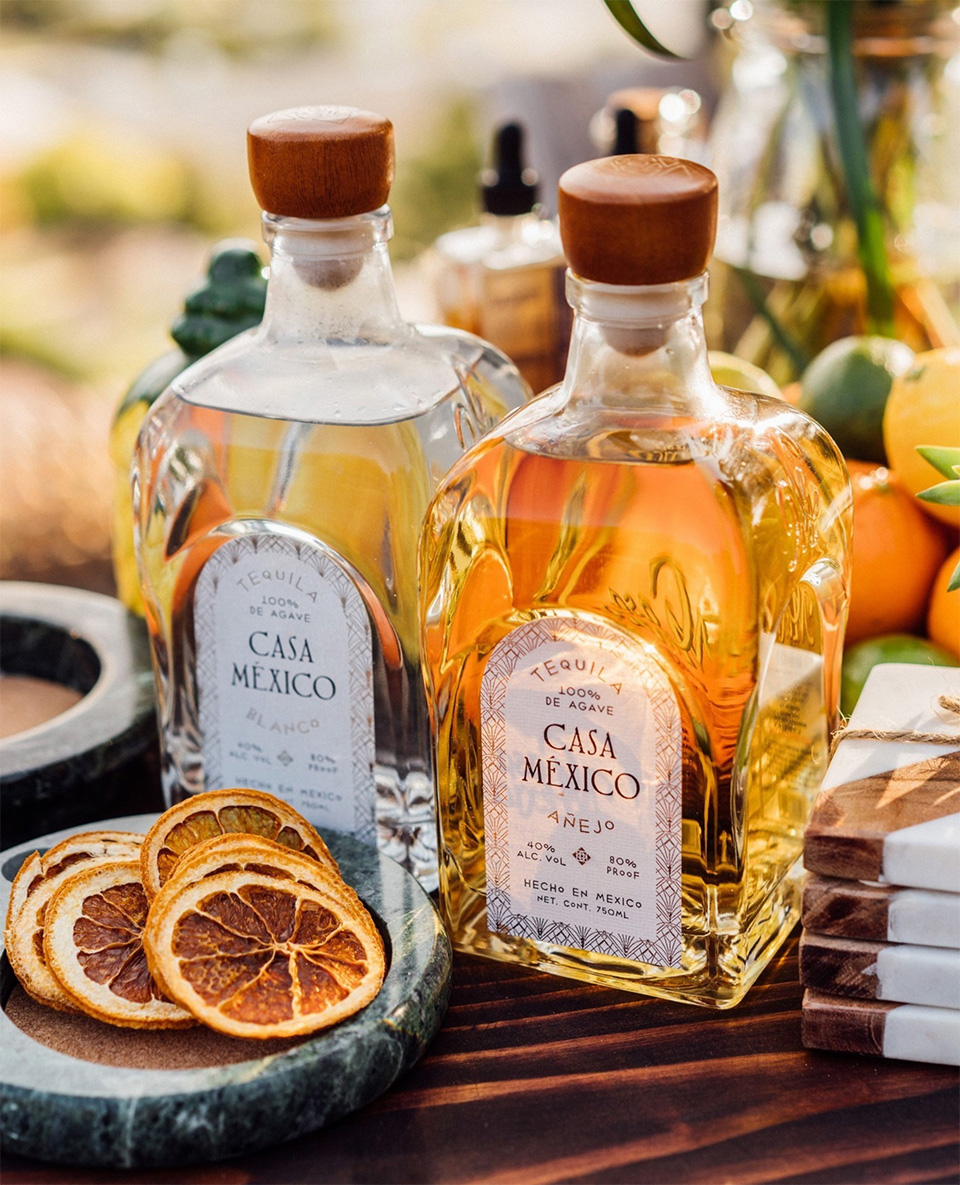
- Reposado and Añejo Tequila: Reposado tequila is aged from 2 to 12 months in oak barrels, and añejo is aged from 1 to 3 years. Aging influences flavor complexity through wood interaction but does not introduce sugar. Both register at 0g of sugar per serving in 100% agave expressions.
- Mixto Tequila: Mixto tequila contains at least 51% agave sugars, with the remaining 49% derived from non-agave sugars (cane sugar or high-fructose corn syrup) added before fermentation. Mixto expressions introduce additional fermentable sugars into production, though distillation still removes the majority of residual sugar.
- Flavored or Ready-to-Drink Tequila Products: Flavored tequilas contain added syrups and natural flavor compounds post-distillation, contributing 1g to 11g of sugar per serving. Ready-to-drink margarita products range from 15g to 30g of sugar per 8 oz serving.
- Cocktail-Based Tequila Drinks: Cocktail applications (margaritas, tequila sunrises, and palomas) add sugar through triple sec, grenadine, and juice. A tequila sunrise contains 17g to 24g of sugar per serving.
How do Blanco, Reposado, and Añejo Tequila differ in Sugar Perception?
Blanco, reposado, and añejo tequila differ in sugar perception due to flavor characteristics developed during aging, not actual sugar content. A detailed comparison of Blanco vs Reposado vs Añejo is available for reference across aging categories, as shown in the table below.
| Type | Aging Period | Sugar Content | Flavor Profile | Perceived Sweetness |
| Blanco | Unaged (0 to 60 days) | 0g per 1.5 oz | Agave-forward, crisp, herbal | Low |
| Reposado | 2 to 12 months (oak barrel) | 0g per 1.5 oz | Vanilla, caramel, light oak | Moderate |
| Añejo | 1 to 3 years (oak barrel) | 0g per 1.5 oz | Rich oak, dried fruit, and chocolate | High |
How much Sugar is in a Margarita?
A margarita contains 8-20 grams of sugar per serving, depending on the ingredients used. Bar-made margaritas use premade sour mix, which adds 18-25g of sugar per 2-oz portion, raising the total to 20g or more per drink. Fresh lime juice contributes 2g to 3g of natural sugar per 0.75 oz. Sugar-rimmed glasses add an estimated 3g to 5g of additional sugar. The Margarita Recipe from Casa Mexico Tequila offers a breakdown of ingredients and their respective sugar contributions within a standard preparation.
How does Tequila’s Sugar Content affect Health?
Tequila’s sugar content depends on the finished product and any mixers used. Alcohol metabolism differs fundamentally from sugar metabolism, ethanol is processed by the liver via alcohol dehydrogenase (ADH) enzymes, bypassing the insulin-dependent pathways triggered by dietary sugar. The absence of sugar in straight tequila prevents the immediate glycemic spike associated with sweet cocktails and flavored spirits.
A common misconception is that tequila lowers blood sugar. Ethanol suppresses hepatic glucose output temporarily, which reduces blood glucose but does not constitute a therapeutic effect. Overconsumption raises triglyceride levels and strains liver function, regardless of sugar content. Health-conscious drinkers who monitor glycemic index prioritize straight tequila over beer (10g to 15g of carbohydrates per 12 oz) and sweet wine (5g to 15g of sugar per 5 oz). Straight tequila’s 96 to 104 calories per shot come from ethanol, with 0g of sugar contributing to the total.
What are the Benefits of Choosing Tequila on a Low-Sugar Diet?
The benefits of choosing tequila on a low-sugar diet are listed below.
- Check the Finished Product: The 100% agave designation concerns fermentation sugars; use product-specific information to assess sugar in a serving.
- Lower Impact on Blood Sugar Compared to Mixed Drinks: Straight tequila does not trigger a glycemic response, unlike margarita mixes (8g to 20g of sugar) or premade cocktail beverages (15g to 30g per serving).
- Fewer Hidden Sugars than Other Alcohol Choices: Flavored vodkas contain 3g to 9g of sugar per serving, and hard ciders range from 20g to 26g of sugar per 12 oz. Straight tequila avoids the hidden sugars found in flavored spirits.
- Easier to Control Calorie Intake: A 1.5 oz shot of blanco tequila contains approximately 96-104 calories, with no sugar-derived calories. Monitoring caloric intake is more straightforward with a 0g sugar base spirit.
- Works Well with Low-Sugar Mixers: Straight tequila pairs with club soda (0g sugar), sparkling water (0g sugar), and fresh lime juice (2g to 3g per 0.75 oz), keeping total drink sugar below 3g per serving.
How to Choose a Low Sugar Tequila for Health-Conscious Drinking?
To choose a low-sugar tequila for health-conscious drinking, follow the five steps below.
- Verify the 100% Agave Label. The label on the bottle is the primary indicator of sugar content. A “100% agave” or “100% de agave” designation confirms no non-agave sugars were used in production. Mixto tequila, which lacks the 100% agave label, incorporates up to 49% non-agave fermentable sugars.
- Avoid Flavored or Con Sabor Labeled Products. Flavored tequilas are identified by descriptors (mango, coconut, cinnamon) or the label term “con sabor.” The flavoring process adds sweeteners after distillation, contributing 1-11g of sugar per serving.
- Check for Consejo Regulador del Tequila (CRT) Certification. The Consejo Regulador del Tequila (CRT) certifies authentic tequila production. A NOM (Norma Oficial Mexicana) number on the label confirms regulatory compliance and adherence to tequila production standards.
- Compare Blanco Options. Blanco is unaged, with an agave-forward flavor profile. Compare product information when choosing a bottle for your recipe.
- Read the Nutritional Label on Ready-to-Drink Products. Ready-to-drink tequila products are required by the Alcohol and Tobacco Tax and Trade Bureau (TTB) to display nutritional information. Sugar content in ready-to-drink formats ranges from 15 grams to 30 grams per 8-ounce serving.
How to Identify Zero Sugar Tequila when Shopping?
To identify zero-sugar tequila when shopping, follow the five steps below.
- Look for the 100% Agave Designation. The bottle label is the starting point for identifying zero-sugar tequila. Bottles marked “100% de agave” or “100% agave” are produced without non-agave sugar additions. The CRT monitors and certifies the use of the designation.
- Locate the Norma Oficial Mexicana (NOM) Number. Every authentic tequila bottle carries a NOM (Norma Oficial Mexicana) number, a 4-digit code identifying the distillery. A NOM number identifies the distillery; it does not establish the finished bottle’s nutritional content.
- Avoid Bottles Labeled Mixto or Unlabeled Spirit Category. Mixto tequila is not required to display the mixto label explicitly, but bottles without the “100% agave” designation default to mixto classification. The absence of the 100% agave label signals the presence of non-agave fermentable sugars.
- Check Product Information. Consult the producer’s available ingredient and nutritional information for the finished bottle.
- Inspect the Alcohol by Volume (ABV) Range. Authentic 100% agave tequila is bottled from 35% to 55% ABV. Products outside the range or labeled as “tequila-flavored spirit” fall outside the certified tequila category and are not subject to CRT sugar restrictions.
Can you always find Zero Sugar Tequila in Stores?
Availability and sugar content vary by product. Check the finished bottle’s available ingredient and nutritional information rather than inferring sugar content from the 100% agave designation alone.